
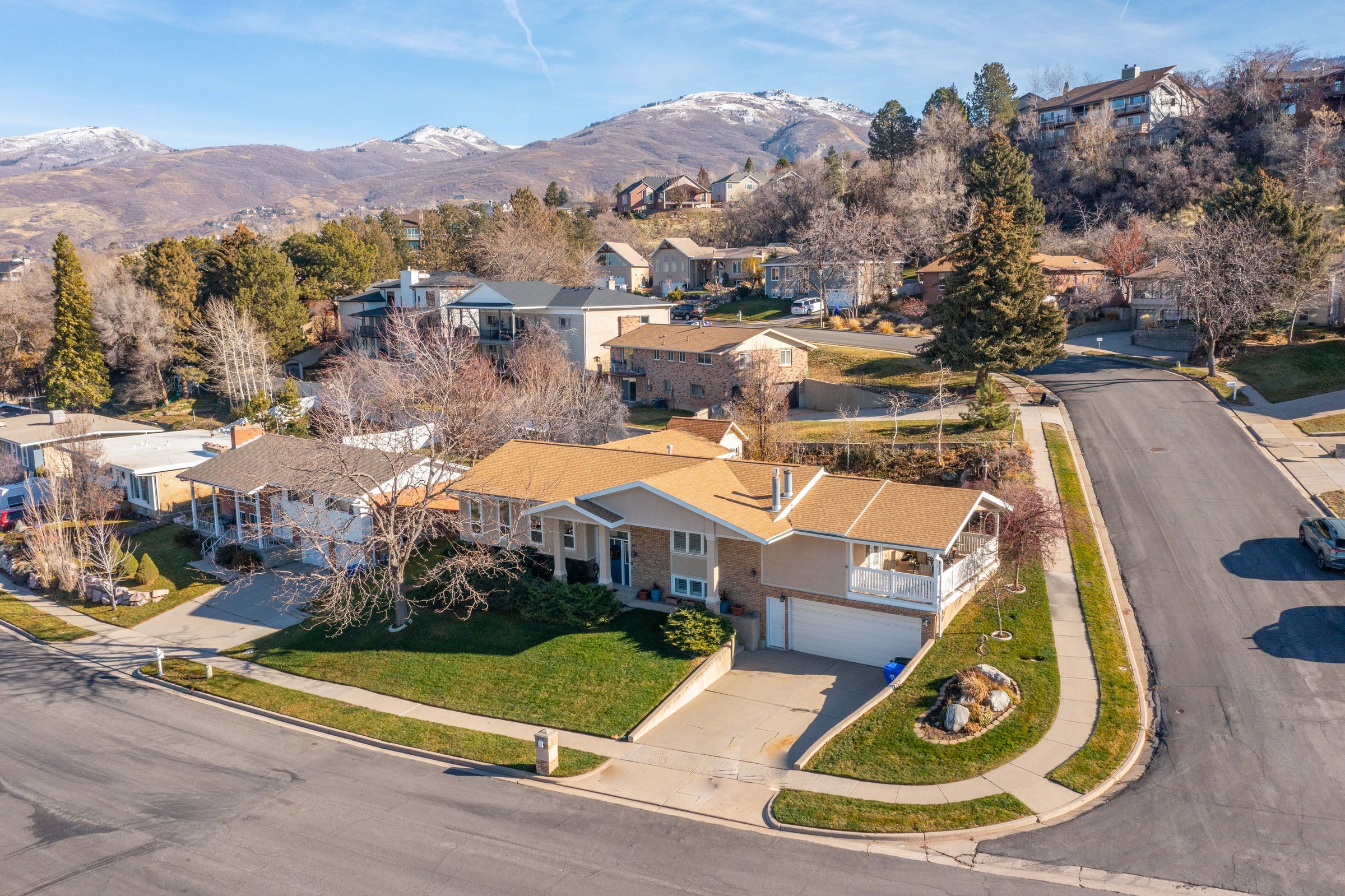
After 14 years in real estate, one thing I've learned is that there is no perfect market.
I've worked through markets where homes received multiple offers within hours, markets where sellers had to make significant concessions, and just about everything in between.
And here's what I've found: Different people benefit from different market conditions.
Some buyers intentionally wait for slower markets because they know there's room to negotiate. Others are watching mortgage rates, hoping affordability improves. And some people are simply ready for their next chapter.
The market matters. Of course it does. But it shouldn't be making the decision for you.
Your goals should.
There are buyers who intentionally wait for fall and winter to make their move. And frankly, I understand why.
Along the Wasatch Front, spring typically brings more buyers into the market. Fall and winter tend to be quieter, with fewer showings and less competition.
That can change the entire negotiating dynamic.
In 2026, higher mortgage rates have kept plenty of would-be buyers on the sidelines. Combined with the typical seasonal slowdown, this has created opportunities that weren't necessarily available during more competitive markets.
We're talking about negotiating the purchase price, asking for seller concessions toward closing costs or an interest rate buydown, and having more flexibility with contract terms.
I've seen the difference firsthand. A home that might have received multiple offers during the spring can sit longer in the fall, giving buyers more time to evaluate the property and negotiate.
That doesn't mean every seller is desperate or every listing is overpriced. Some homes are still moving quickly, especially when they're priced appropriately.
But when demand slows, buyers often have more room to work with.
And for someone who values negotiating power over having the largest selection of homes, that can be a very good tradeoff.
This is probably the conversation I'm having most often with buyers right now.
They're interested in purchasing, but they're waiting for mortgage rates to come down.
I get it. Interest rates have a significant impact on affordability.
With 30-year mortgage rates above 7% in early November 2026, financing costs remain a major consideration for buyers.
But there's another side to waiting.
When mortgage rates drop enough to improve affordability, buyers who have been sitting on the sidelines may start shopping again.
More buyers can mean more competition, fewer seller concessions, and potentially higher purchase prices.
In other words, the lower interest rate you're waiting for could come with a higher cost to purchase the home.
That's not a guarantee, but it's a tradeoff worth understanding.
One strategy I'm discussing with clients is purchasing while negotiating leverage is stronger, with the possibility of refinancing if rates decline later.
But there's an important distinction here.
You need to be comfortable with the mortgage payment you're agreeing to today.
Refinancing isn't guaranteed. Future rates, your financial situation, the home's appraised value, and lending requirements will all play a role. Refinancing also comes with costs.
If the numbers only make sense with a future refinance, I wouldn't recommend moving forward.
On the other hand, if the payment works today and we can negotiate favorable terms, there's a legitimate argument for considering the current market rather than waiting for a rate that may or may not materialize.
The point isn't to rush into buying. It's to understand what you're gaining and what you're potentially giving up by waiting.
Not every real estate decision starts with mortgage rates or housing inventory.
Sometimes, life is simply ready for something different.
Maybe you've been renting for years and are financially prepared to purchase your first home.
Maybe your family has outgrown your current house, and you're tired of trying to make a three-bedroom floor plan function like a five-bedroom.
Or perhaps the kids have moved out, and maintaining a larger home no longer makes sense.
These are real reasons to consider moving, regardless of what the headlines say.
And this is where I think real estate advice needs to become much more personal.
For someone upsizing, we need to evaluate both sides of the transaction. What can we realistically sell the current home for? How much equity is available? What does purchasing the next home look like at today's rates?
For someone downsizing, the conversation might be about reducing monthly expenses, simplifying maintenance, or freeing up equity.
A first-time buyer has an entirely different set of considerations.
The strategies shouldn't be identical because the goals aren't identical.
Sometimes the numbers tell us it's worth moving forward. Other times, staying put for another six months or a year is the better financial decision.
Both can be successful outcomes.
One of the biggest mistakes I see is treating the real estate market as though there's one correct answer for everyone.
Buy now. Wait until spring. Wait for rates. Sell before prices drop.
There's always someone making a prediction.
But real estate is local, and even across northern Utah, conditions can vary significantly between neighborhoods, price points, and property types.
What works for a buyer in Sandy might look completely different from someone purchasing in Park City or selling a townhome in West Valley.
That's why I focus on the individual transaction, not just the overall market.
We look at the numbers, understand the competition, evaluate the risks, and develop a strategy based on what you're actually trying to accomplish.
Sometimes that means negotiating aggressively. Sometimes it means being patient. And sometimes it means recognizing that the right opportunity is already in front of you.
After 14 years in Salt Lake City real estate, I don't believe my job is to convince someone that now is the time to buy or sell.
My job is to help them make an informed decision and position them for the best possible outcome.
There's no perfect market. Just the right move for you.
If you're considering buying or selling along the Wasatch Front or in Park City, let's start with a conversation about what you're trying to accomplish. No pressure to make a move. Just a clear look at your options and a strategy that makes sense for you.